The Passport for Bots: What Actually Makes International SEO Work
To enter a foreign country, you need a passport.
To rank in a foreign Google index, your website needs something similar.
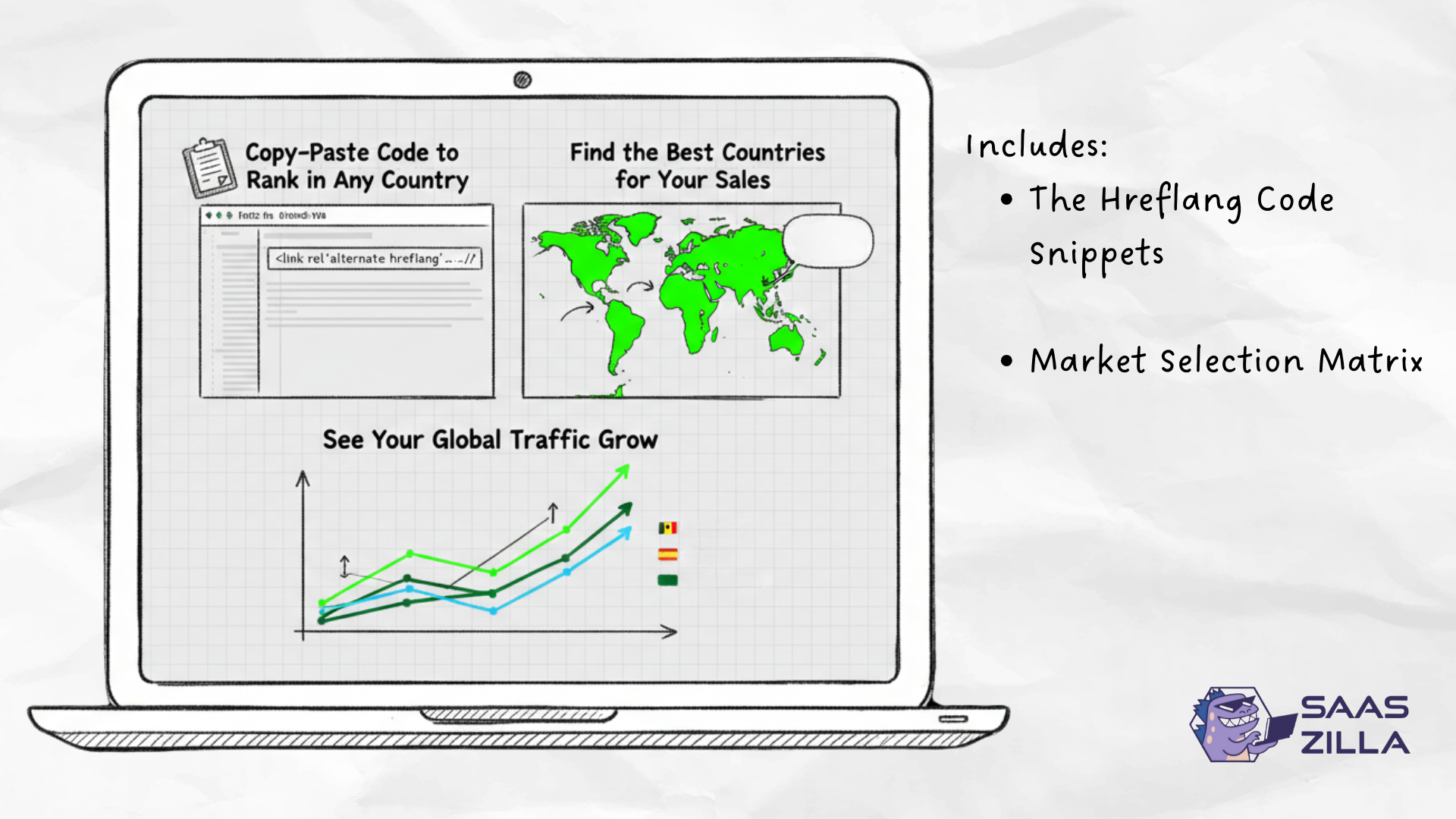
It’s called an Hreflang tag.
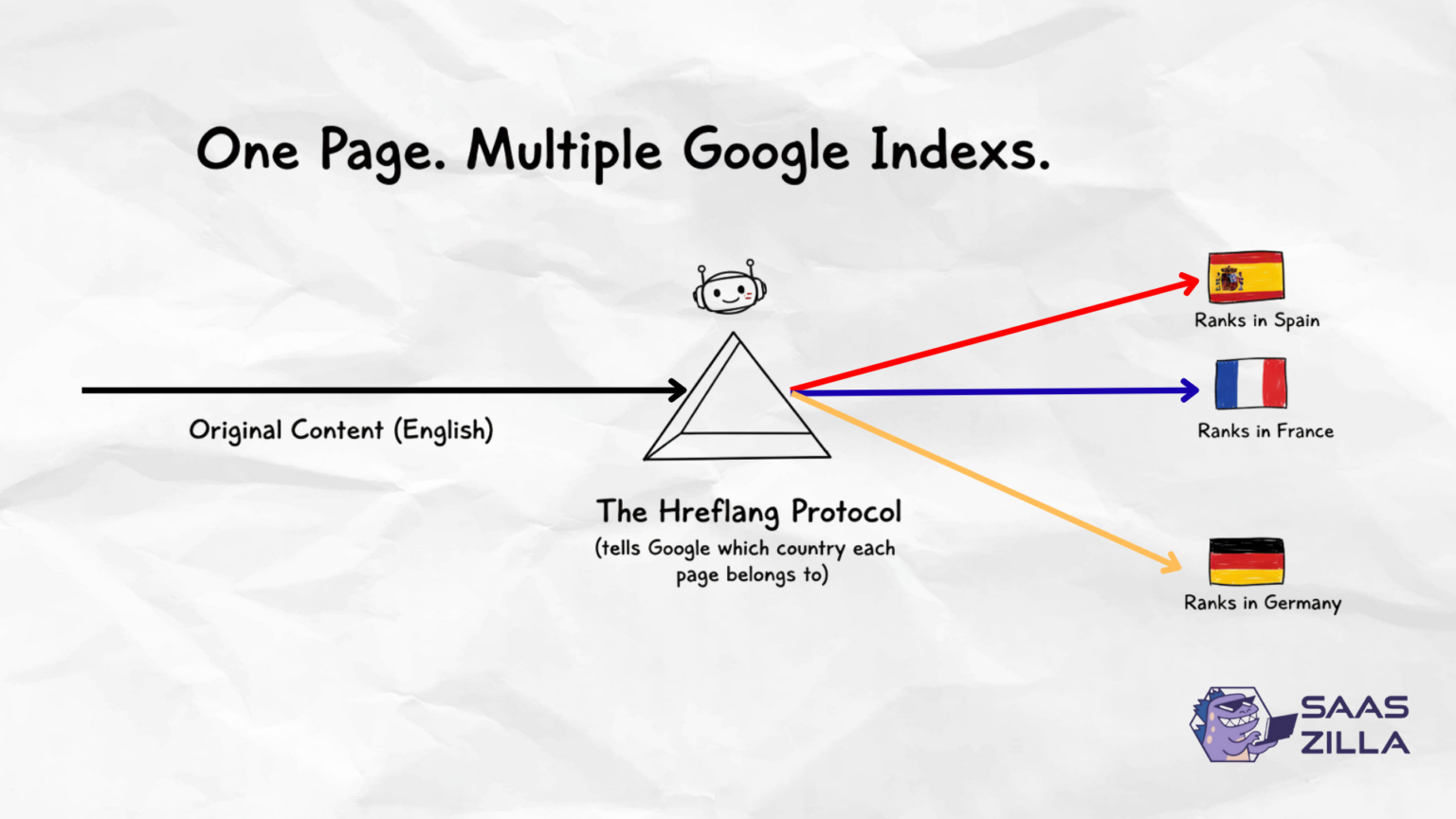
This is a line of code—just 47 characters—that tells Google exactly what it needs to know:
“This page is the Spanish version of that page. They are not duplicates. They are translations. Index them separately.”
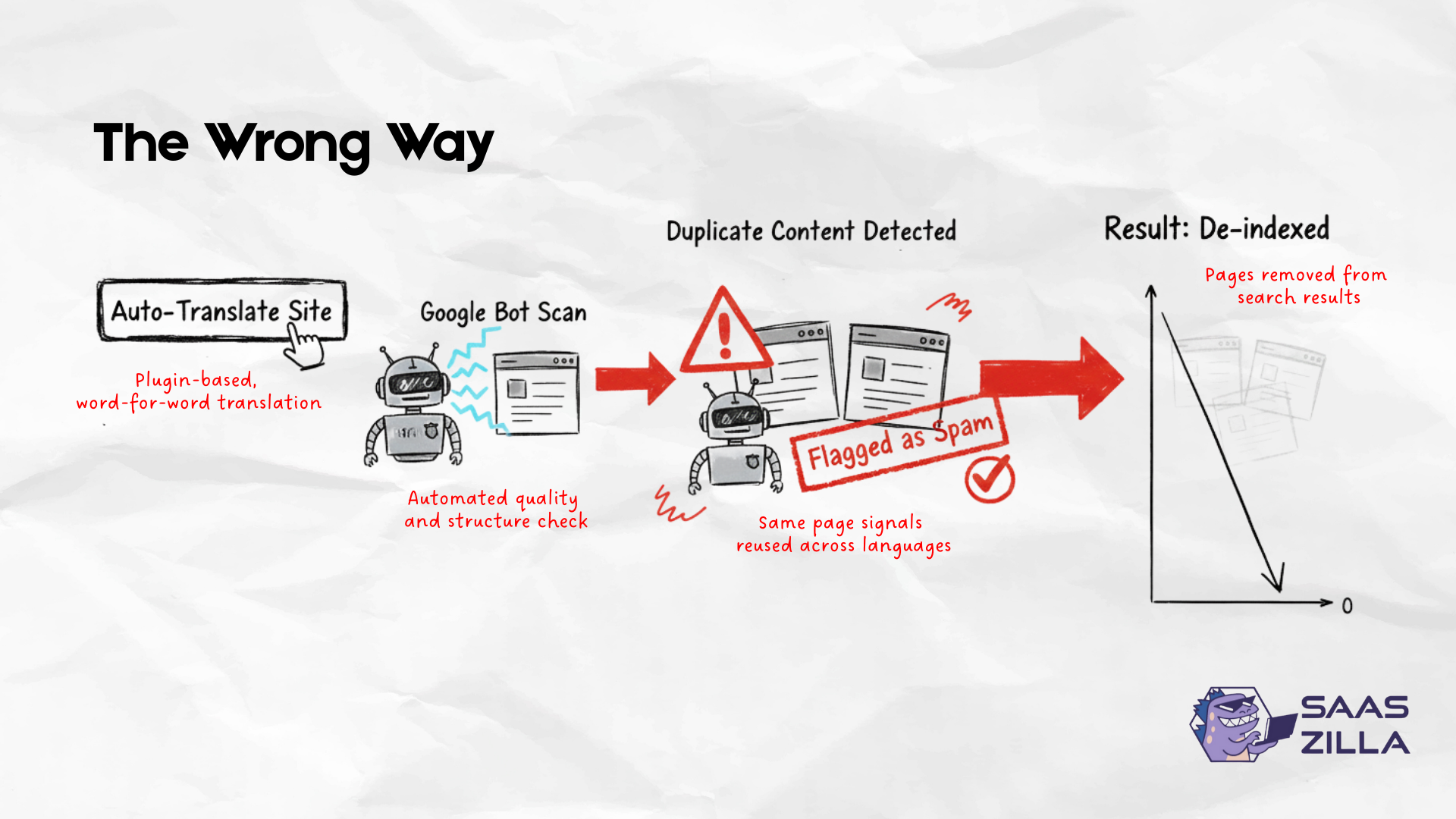
Without this tag, Google guesses. And Google guesses wrong.
With this tag, Google obeys. It indexes your English page for American searchers. It indexes your Spanish page for Spanish searchers. It indexes your French page for French searchers.
One piece of content. Five search engines. Five chances to rank.
But the Hreflang tag is only one piece.
Here’s what else matters:
Your URL structure determines your authority.
There are two ways to organize international content:
- Sub-directories: yoursite.com/es/
- Sub-domains: es.yoursite.com
One of these preserves your domain authority. The other dilutes it.
Choose wrong, and every link you’ve ever earned stops helping your Spanish pages rank.
Choose right, and your existing backlink profile amplifies every language version.
The difference is a single character in your server configuration.
Your translation tool determines your design integrity.
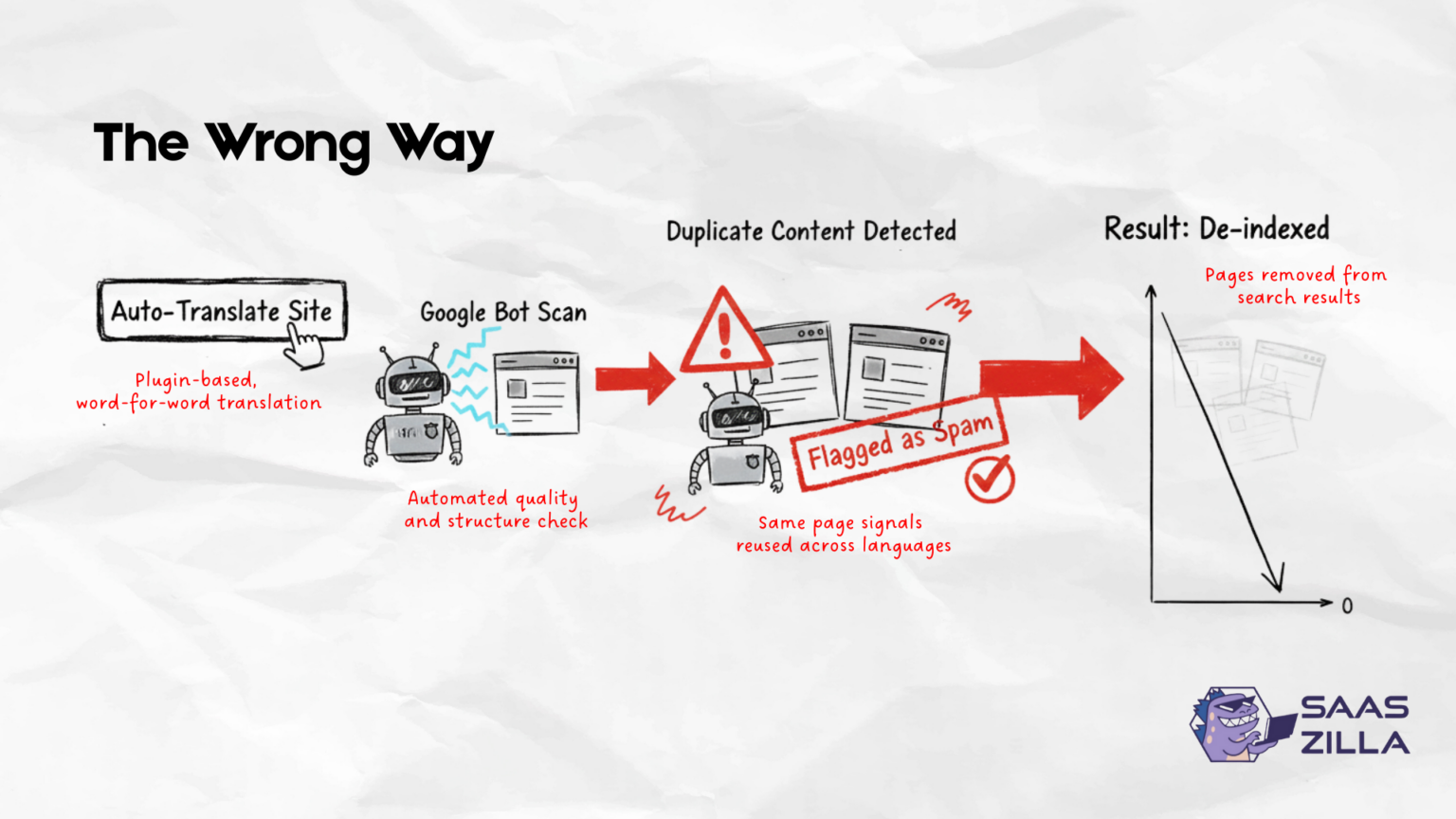
Most translation plugins break layouts. They swap 3-word English phrases for 7-word Spanish equivalents. Buttons overflow. Headlines wrap. Mobile views collapse.
The right tool handles linguistic expansion automatically—adjusting containers, reflowing text, preserving the experience.
The wrong tool makes your site look like it was built by someone who’s never seen a browser.
Your market selection determines your ROI.
Not all countries are equal.
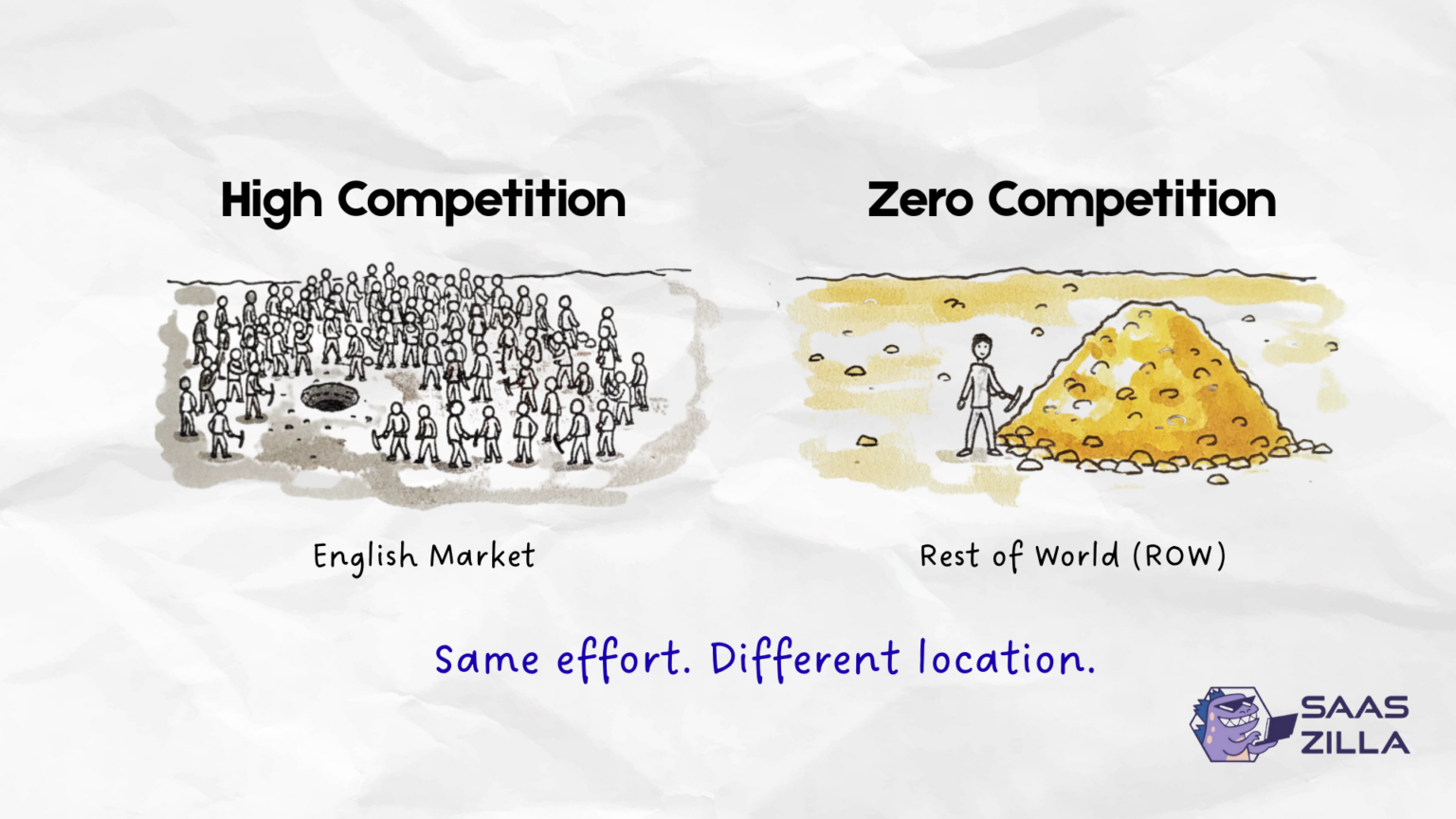
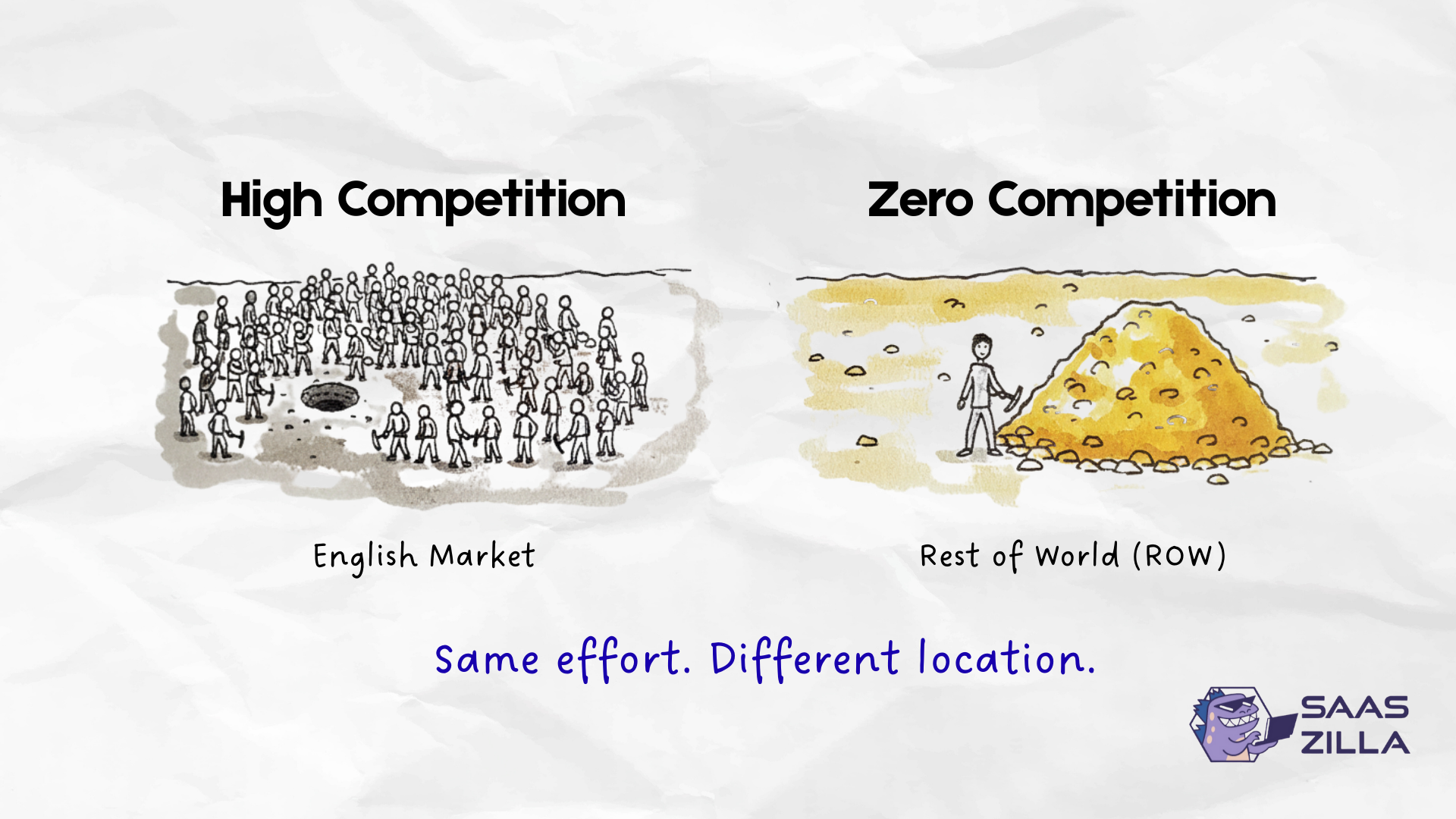
Germany has high purchasing power and low English-language competition.
Brazil has 214 million people and almost nobody targeting them in Portuguese.
India has volume but payment friction.
The operators who win aren’t translating into every language. They’re translating into the right languages—the ones where purchasing power is high and competition is low.
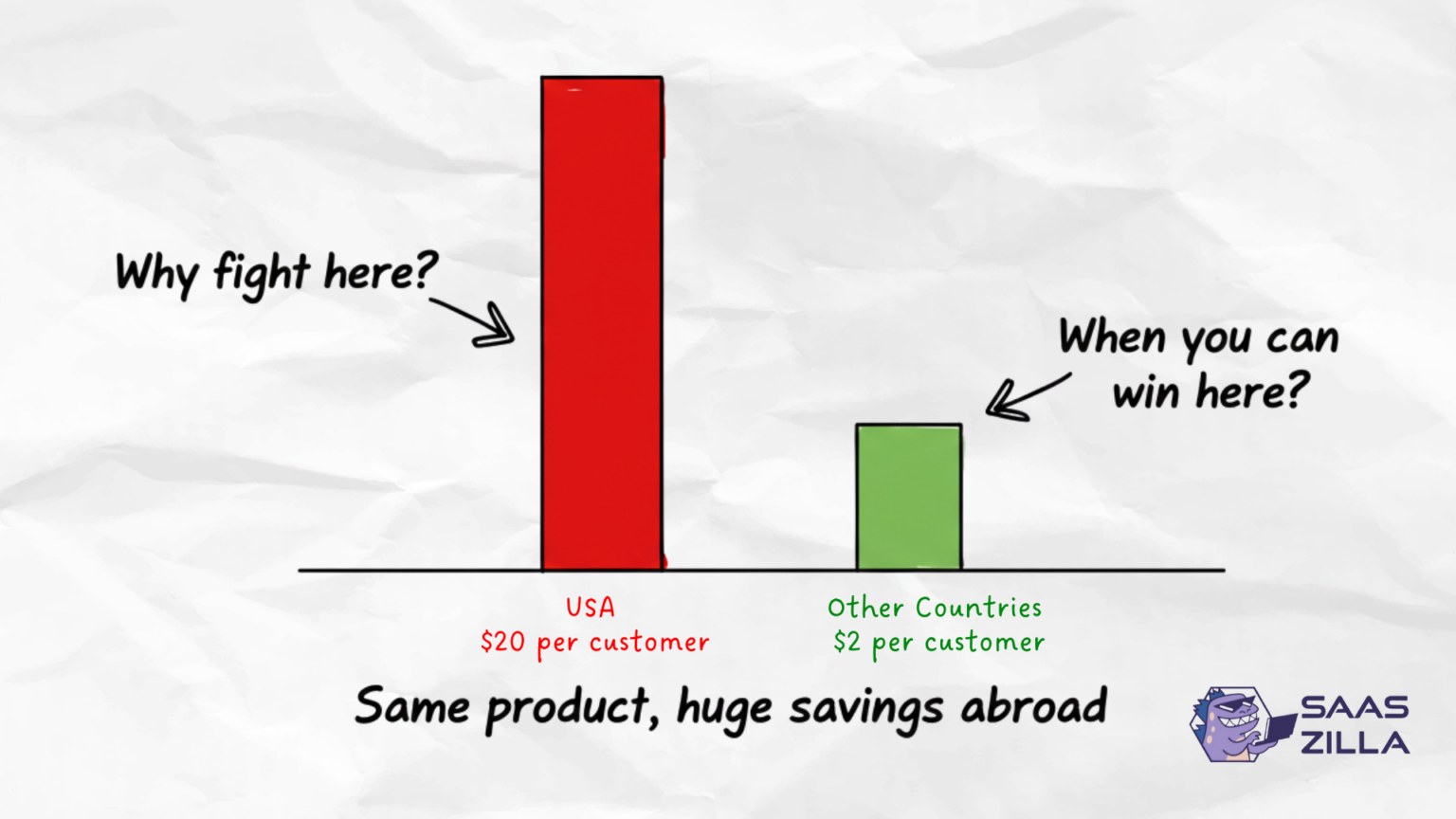
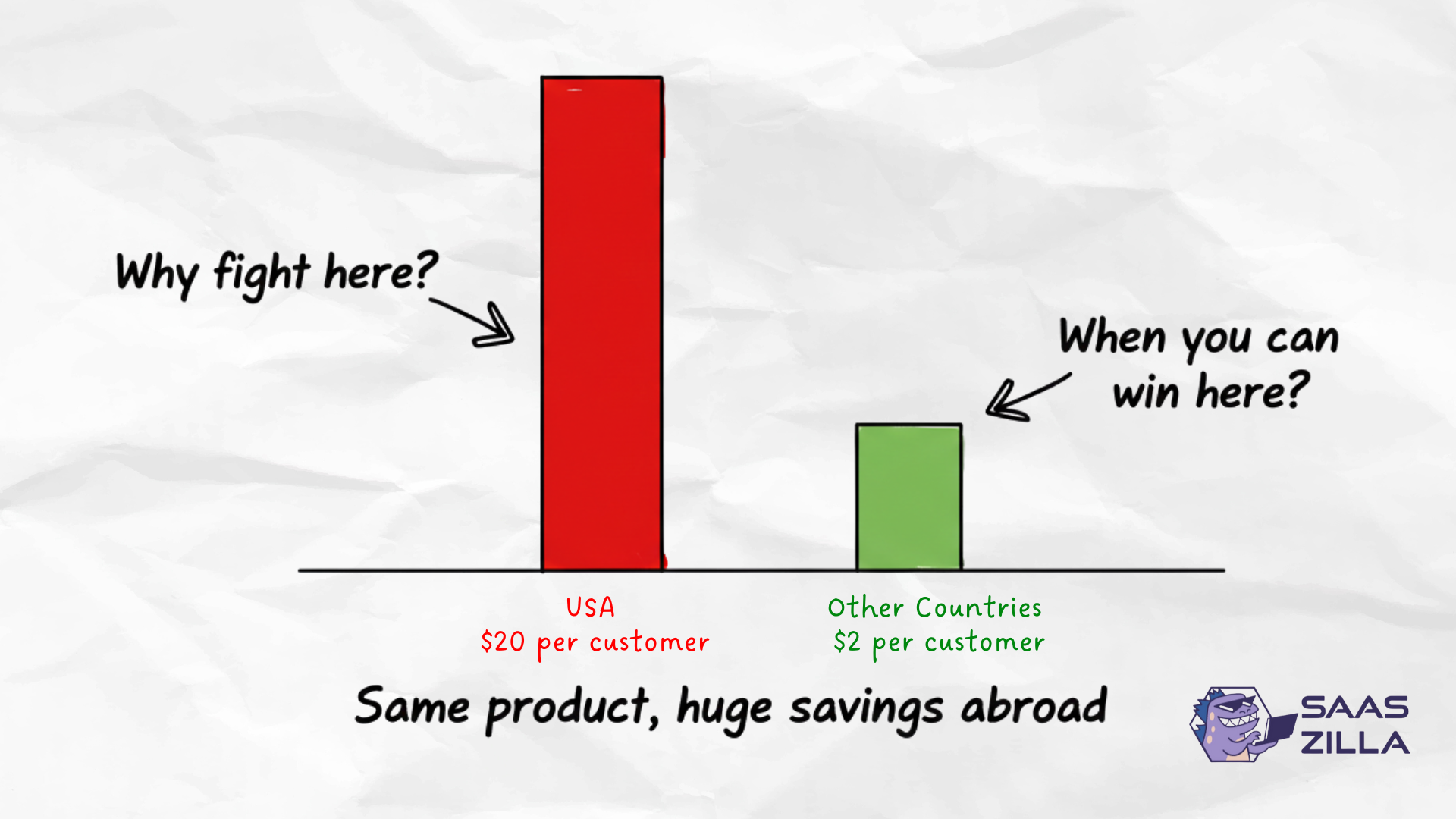
This is arbitrage. You’re buying traffic where it’s cheap and selling products where they’re valued.
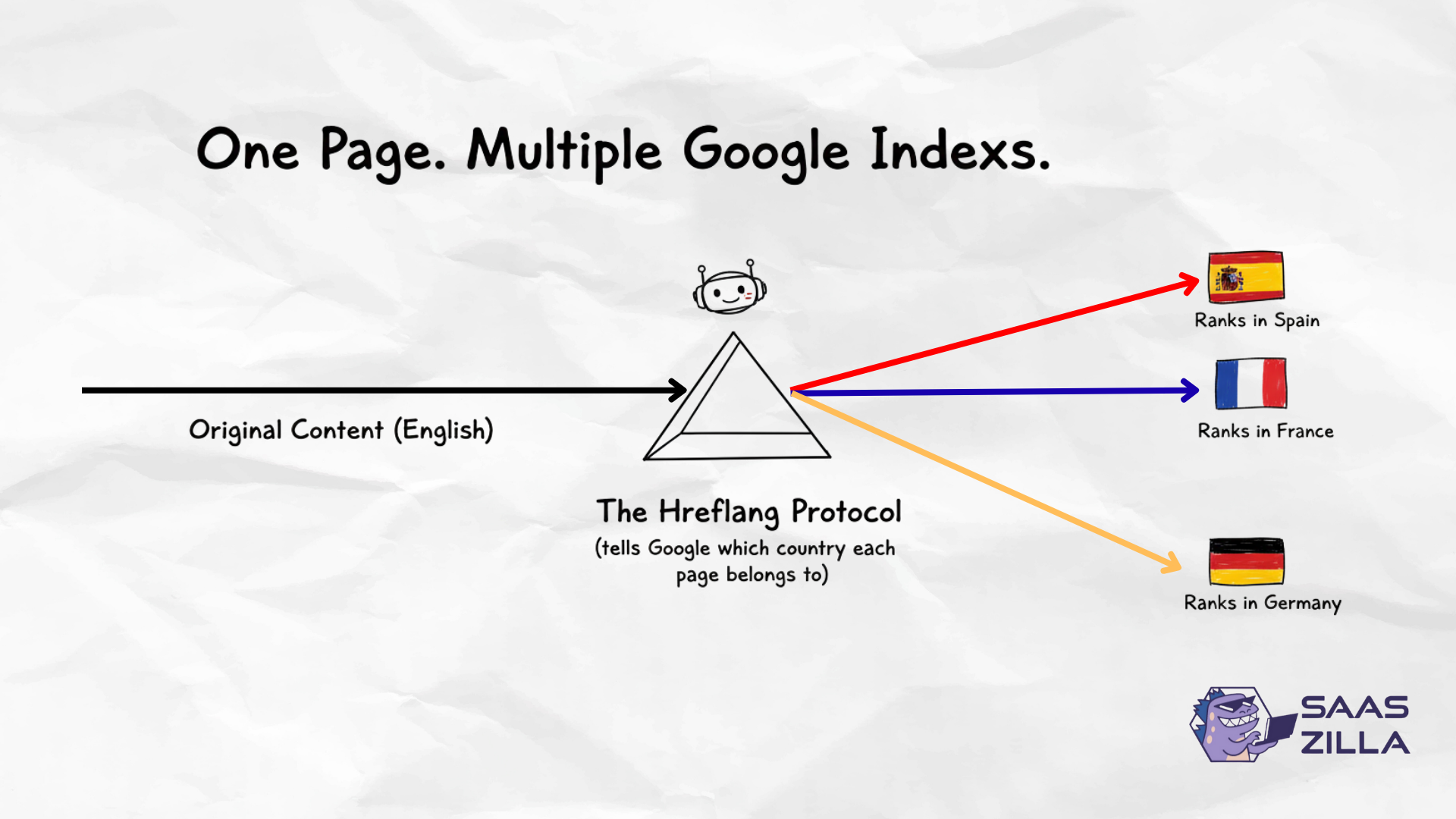
Think of it like light through a prism. One input—your original content—splits into a spectrum of regional rankings. Same source. Multiplied output.


Questions
There are no questions yet. Be the first to ask!